by Grace
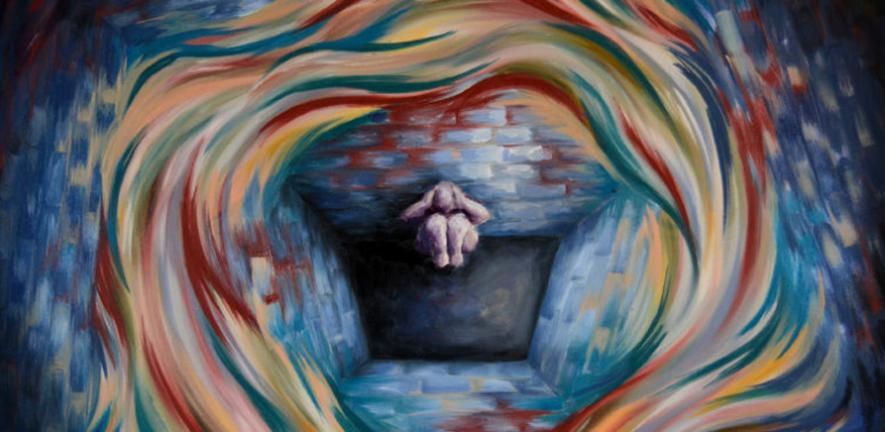
“‘I bottle it up’: the emotions of solitary confinement” by Emily Shullaw
I see a reflection of how blurred the lines between the inside and outside of prison can be, that studying or observing it and living it are very different. The experiences in these closed spaces are a form of violence on the body, life, self, and soul.
As Banu Bargu explains in the book, Starve and Immolate: The Politics of Human Weapon, necroresistance is the use of life as a weapon or a human weapon. The fight over sovereignty over life and death between prisoners and prison authorities/the state ignited this form of resistance. A common example of this is hunger strikes, which led us to our in-class discussion of how to conceptualize the weaponization of lives, souls, bodies, or the self. Despite our various answers, the focus was on agency over life and death.
There are a few explanations for why prison authorities go to great lengths to keep prisoners alive. While it is their obligation to provide healthcare and maintain the health of prisoners, there is a blurry line when it comes to agency over one’s life. Regarding hunger strikes, prisoners use their bodies as a form of resistance with the knowledge of the risk of death, but not the intention. It is the threat of death, and oftentimes, prison authorities force-feed them to keep them alive, interrupting their act and taking back agency. Something I struggled with is why they won’t let them inflict violence on themselves, and I think the answer is much more complex than it just being their responsibility to maintain their health.
When I think about this sort of self-destructive violence and fight over power, I think about how self-harm and suicide are dealt with in prison. I often reflect on how I would feel in prison. Prisons isolate people physically and emotionally, and the hopelessness of life post-incarceration is exacerbated because society does not let go of this label, nor aid them in rehabilitation. Suicidal ideations and incidents of self-harm often result in prisoners being isolated. Solitary confinement is another form of suppressing the emotions and humanity of prisoners.
These incidents have gender differences. For example, toxic masculinity and expectations of strength can cause a suppression of emotions in men. Depression often is a result of abuse, separation, and trauma for women. 46% of women and 21% of men in prison have attempted suicide at some point (Prison Reform Trust). The Samaritans Charity offers a 24-hour hotline for prisoners fighting suicidal ideations, but this is another example of how the care and responsibility fall outside of prison authority.
The question of who has the authority over life and death in prison persists. As does the question of whose responsibility it is to maintain their livelihoods. Are bodies the most powerful weapon, or are they a last resort?